Tuesday, 28 January 2020

What is Dirty Recycling

Recycling in Toronto has made great strides, as an industry, in the past decade. Even so, ‘dirty recycling’ is still very much a prominent theme at sorting facilities across the GTA. If recycling numbers are to rise to where we need them to be in the coming years, dirty recycling as a phenomenon is something that we’re going to have to acknowledge and resolve.
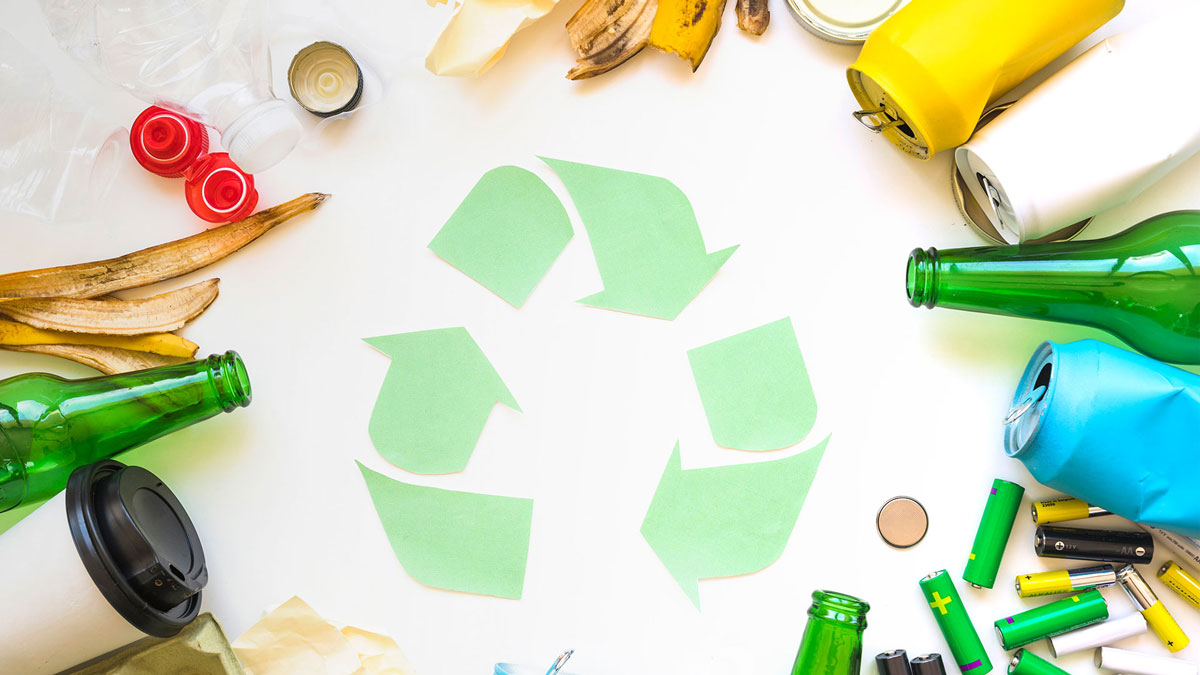
What-is-Dirty-Recycling

What is Dirty Recycling


What is dirty recycling?
If recycling is to be processed and re-manufactured into recycled materials, it must be sorted, cleaned and void of any contaminants. So let’s say, you take your Toronto blue recycling bin, piling it beautifully with recyclables. If the materials themselves aren’t clean enough to make something from, the entire bin can be disregarded as ‘contaminated’ and is then sent to the landfill. Defining ‘dirty recycling’, it’s all in the name.
What is the goal of recycling?
We think of recycling as a means of helping the planet. The goal of the recycling industry is to make money from waste – that’s it, for better or for worse. If bales of recycling don’t sell, they’re sent to the landfill and are good as garbage even if the material itself isn’t waste.
Why does dirty recycling happen?
Dirty recycling in Toronto is most often unintentional, due to a lack of education on what is recyclable in the GTA. We all live busy lives. Few take the time to review every year what’s recyclable. Instead, we make assumptions. Alternatively, when throwing out recyclables, we don’t always take the time to rinse out glass or plastic containers, or to verify that what we’re tossing is recyclable, and/or check the pizza box for grease stains.
What is the biggest contaminant in recycling?
The top contaminant in recycling is food. Even a little peanut butter inside the container’s a problem. If you put this type of thing into recycling, it will not only affect all the materials in its bin but it could impact tonnes of materials. Some estimates suggest that as much as 26-35% of recyclables contain some sort of contaminant – usually food – in them which reduces the value of what’s being processed.
What is Toronto’s recycling contamination rate?
According to a recent CBC investigation, of all major cities in Canada, Toronto has the worst recycling contamination rate. The city with the best recycling contamination rate is St. John’s, Newfoundland, only 3 percent. Here is a quick list of the top 10 worst city contamination rates.

 10 – St. John’s (3%)
 9 – Vancouver (4.6%)
 8 – Ottawa (5%)
 7 – Regina (11%)
 6 – Winnipeg (13%)
 5 – Calgary (13%)
 4 – Fredericton (14%)
 3 – Halifax (21%)
 2 – Edmonton (24%)
 1 – Toronto (26%)
Should Toronto have separate recycling bins?
One possible strategy to cut down on dirty recycling and increase recycling efficiencies are to utilize multiple bins. In Vancouver, they have a bin for glass separate from other recycling materials. The city also requires citizens to separate paper, cardboard, and containers. Here in Toronto everything goes into one bin. It then gets separated at the waste management processing facility. Single-stream recycling programs like Toronto always boast the highest contamination rates, according to industry experts. It isn’t unreasonable to think in the coming decade, the GTA may have to really examine how its single-bin recycling pick-up impacts efficiencies.
How much does it cost to process dirty recycling?
With dirty recycling, you’re essentially paying twice to process it – the first at the recycling plant and the second as it gets processed at another facility to be put into a landfill. In Toronto, one must also factor in the cost of everything that contaminated recycling comes in contact with which reduces recyclables to low-value waste. Though Toronto’s contract with waste management stakeholders, contamination can result in additional surcharges as well. Some estimates suggest that there’s $1,000,000s to be saved every year in waste collection if the city were to conquer its contamination problem.
Is dirty recycling getting worse?
Dirty recycling has been on the increase these past few years due to countries like China increasing regulation on what waste and recycling they accept. China, for example, now accepts recycled paper with 0.5 percent contamination or less. Before, Canada could send recycled paper with coffee stains and all sorts of expected contaminants to China, and not answer for it. These days, you can’t do that. So this means a piece of paper with a coffee stain unfortunately is now waste and non-recyclable.
Is Vancouver better than Toronto at recycling?
With dirty recycling and cross-contamination rates, Vancouver is so much better than Toronto because of how the city’s structured its recycling program. Cities like Vancouver use strategies such as not accepting glass or styrofoam which break into tiny, tiny pieces that act as contaminants, to increase value on their recyclables.
Is Ontario making recycling more difficult for Toronto?
Toronto receives a lot of people moving in every year – some from other areas of Ontario. The province’s municipalities each carry their own rules of what’s allowed and not allowed in their recycling bins – just like the rest of Canada. This means there’s a percentage of Torontonians probably with the best of intentions who are unknowingly contaminating their recycling by including materials that the GTA does not accept. In Ontario, there’s an initiative known as ‘producer-responsibility’ which makes producers responsible for managing any and all waste generated from their products. This same sort of program is successfully managed in BC. It is expected, in the years to come, the province will adopt a more clear recycling standard.
What is the best way to recycle in Toronto?
The best way to recycle is to reduce, reuse, and replace single-use items that are populating streams of waste recyclable and non-recyclable alike. Instead of accepting single-use takeout containers for restaurant food, bring your own. Buy reusable straws, reusable water bottles, reusable sandwich bags, and more. Never use plastic grocery bags and always shop with a reusable. These simple choices cut down on waste and recycling which will help to keep our Toronto strong, clean, healthy, and efficient.
Waste disposal, management, and sorting mean the world to us at Core Mini Bins. Anything recyclable is recycled and we do our best to keep contamination to a minimum. If you’re a corporate office, small business, homeowner, or construction contractor looking to better control their waste, contact a representative at Core Mini Bins today.
Saturday, 25 January 2020

See the 11 Top Reasons Why People Use Junk Removal Services in Toronto

7 days a week, 365 days a year, you can find Core Mini Bins somewhere out there in Toronto providing junk removal services or a dumpster rental to someone. We help everyone from university students to seniors dispose of waste and move furniture in easy, affordable trips.
If you’ve never used junk removal services before in the GTA, you’ve probably seen them advertised almost everywhere. A variety of companies offer junk removal – some better than others. Here are the top reasons why people use junk removal services in Toronto!

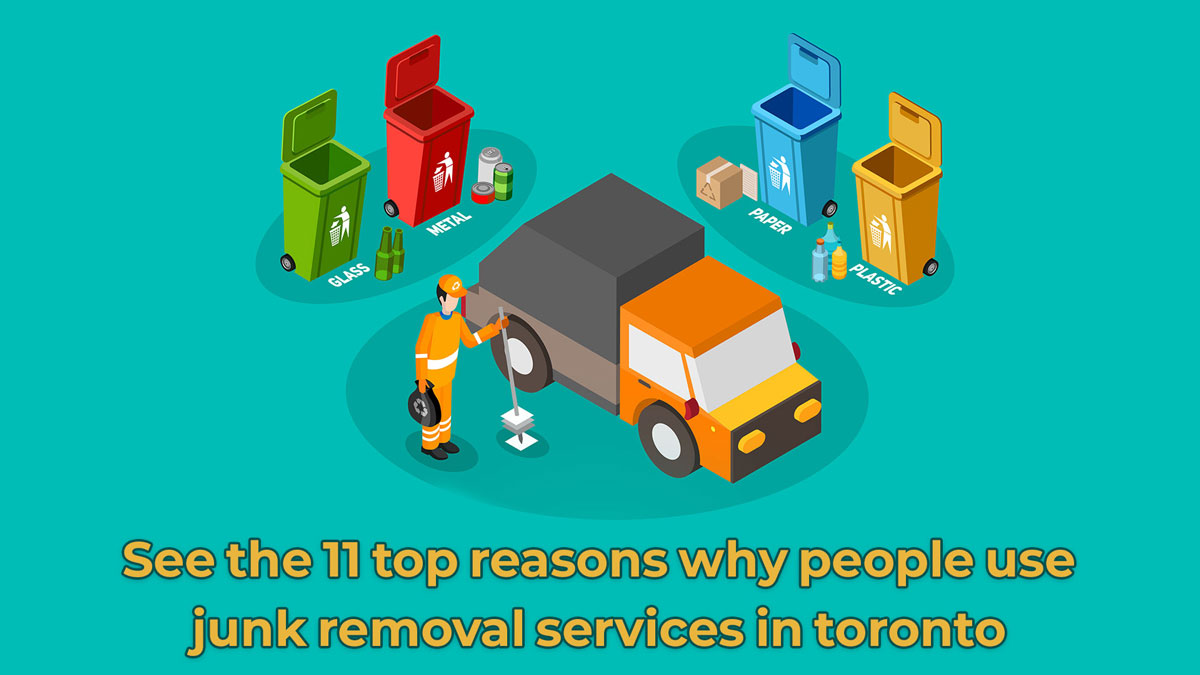
See-the-11-Top-Reasons-Why-People-Use-Junk-Removal-Services-in-Toronto

See the 11 Top Reasons Why People Use Junk Removal Services in Toronto


1 – It’s spring cleaning time!
Every spring, we see an uptick in requests for junk removal. That’s because it’s the season of growth, renewal, and doing away with the things holding you back. Homeowners cleaning out their garages and condo owners clearing away what’s in their storage units, junk removal’s a popular option between the increasingly warmer temperatures of March through June.
2 – Homeowner renovation help
A junk removal service helps remove renovation waste or DIY construction materials no longer needed. If you’ve got a driveway or space with a lot of debris that needs to be gone, the recommendation would be to rent a dumpster. If you’re beyond that point though, a junk removal’s oftentimes at a similar cost and will work just as well at helping you move contents ranging from general demolition waste to pieces of sheds, patios, and more.
3 – You’re downsizing and moving to a new residence
A big reason why we get called for junk removal services is because you’re about to downsize. Moving between condos, apartments, or homes is challenging enough without trying to find transportation for the things you can’t bring with you.
4 – You don’t have the transportation
A lot of us have old furniture taking up space in our homes. We’d love to move them. We just haven’t. There are a wide array of places that can recycle and repurpose old furniture. A junk removal services gives you transportation that’s affordable to get your old furniture out and in ownership of someone who will do something with it!
5 – You just bought some new furniture
If you’ve recently bought a new couch, mattress, bed, or similarly large item, we oftentimes receive the call to take the old furniture out. In the case of older furniture, this can often be donated to local charity organizations or repurposed. Things like couches, mattresses, chairs, kitchen tables, and dressers still have value to them, and there’s no reason to toss them into a landfill.
6 – You don’t want to have to deal with stuff
There’s any number of situations one might find themselves in – such as with old roommates – where you want stuff gone so you don’t have to deal with it. Junk removal is all about easy, affordable ways to get items out of your space and gone. There’s a lot of peace of mind in delegating responsibilities to a junk removal company. For those that want to save themselves time, money, and effort, this is an option not to be forgotten.
7 – You’re a landlord
Toronto is a city filled with landlords needing junk removal services to help clear out furniture, materials, and bulky items left behind by old tenants. We also see many landlords regularly contact junk removal services to help clear out old kitchen appliances – such as fridges, ovens, and dishwashers – as they upgrade and renovate older units. No matter what it is, when you contact a company like Core Mini Bins, we will get down there on time and get working.
8 – You’re a business
Many corporate offices, small businesses shutting down, or companies up and moving to new locations use junk removal services. You also have new offices moving into older spaces with equipment left behind. In these situations, you could end up with literally hundreds of heavy computers, tables, and equipment that needs to be shipped off elsewhere. Trying to arrange it yourself can be tough. Calling a junk removal service, you tap into their connections around Toronto and setting up pick-up, you can move what you don’t want out of there in no time.
9 – You’re a senior or a disabled person
There are a few demographics of Torontonians who don’t have the physical resources to safely remove large bulky furniture and other items. Seniors don’t oftentimes want to chance an injury. Disabled persons often find themselves in the same boat. It is much easier and far less risky to assign the responsibility to a Toronto junk removal professional with experience helping seniors or disabled persons.
10 – To make a charity donation
Large household furnishings, kitchen appliances, and electronics are sought after by charity organizations. They can often fix them up, sell them, and turn a profit on that which evidently is something that gets put back into your local community. Donating what you’re not using to charity is a kind but sometimes difficult move to make. When you need transportation and/or guidance on how to get your items to your favourite charity, a junk removal service can be very helpful.
11 – You need the space
A Marie Condo-style decluttering isn’t such a bad idea. Clean, open living spaces inevitably become packed in with all sorts of furniture and things you just need some place to put. Other times, you just need the space. Maybe you’re building a guest room, a nursery, or a new hobby space. Any time you are clearing out a room, and need the materials in there up and gone, a reliable junk removal services goes a long way in accomplishing that goal.
Why should I hire a junk removal company?
If you want to do something smart with your waste, a reliable junk removal company in Toronto works. At Core Mini Bins, we offer junk removal, dumpsters, mini bin rentals, and more. We collaborate with residential, commercial, and industrial clients all over the GTA. Everyone eventually ends up with waste they need moved. Junk removal is quick, convenient, and responsible. Anything that we can recycle we absolutely will! If you want something donated, share where and we’ll ensure it gets there.
The city only takes bulky furniture at certain times of year. Dropping off garbage at select locations, it’s challenging to arrange. Almost anything, we’ll take in our trucks and get it sorted, handled, and properly managed. Contact a junk removal service in Toronto you know and trust. Call Core Mini Bins today.
Source: https://www.garbagebinrentals.ca/waste-collection-removal-disposal-blog/754-see-the-11-top-reasons-why-people-use-junk-removal-services-in-toronto.html

Tuesday, 21 January 2020

Why Do Construction Sites Need a Dumpster Rental – Keep it Safe and Tidy

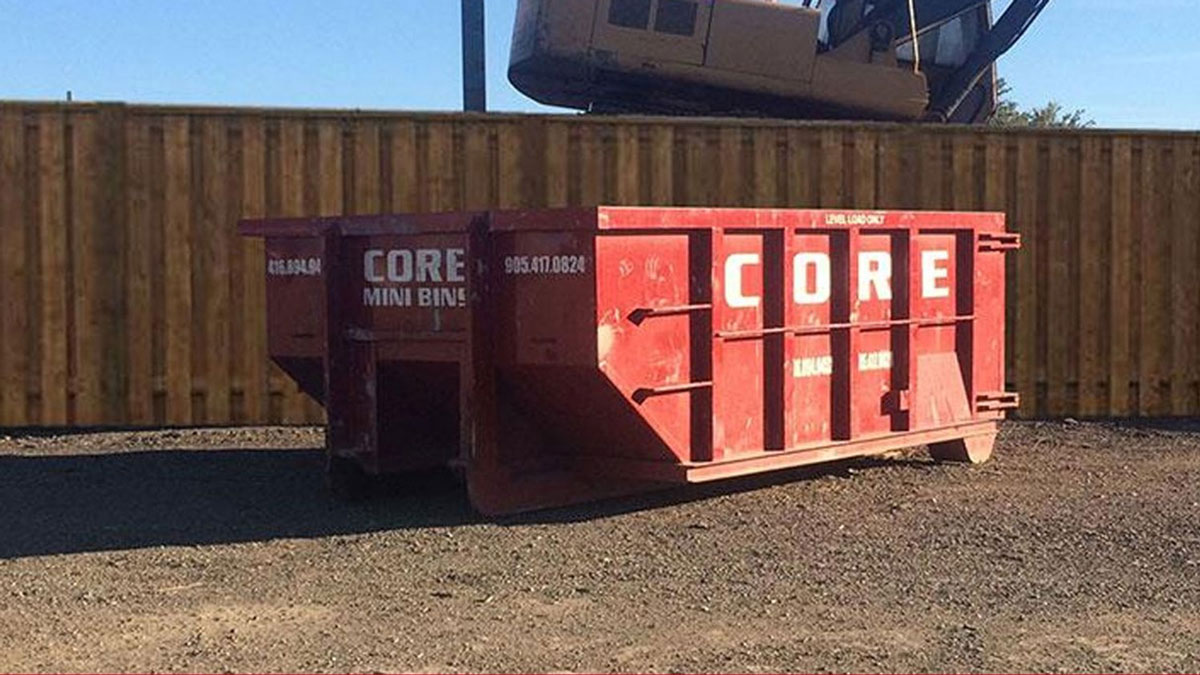
Preparing a construction site for maximum efficiency and safety involves having a waste management plan in place. Most of the time, that’s a dumpster rental or mini bin rental. Considered a necessity, a dumpster on a construction site gathers waste, keeping it from remaining on the ground, exposed and dangerous. If you aren’t yet convinced you need a dumpster rental for your construction site, here’s some food for thought.

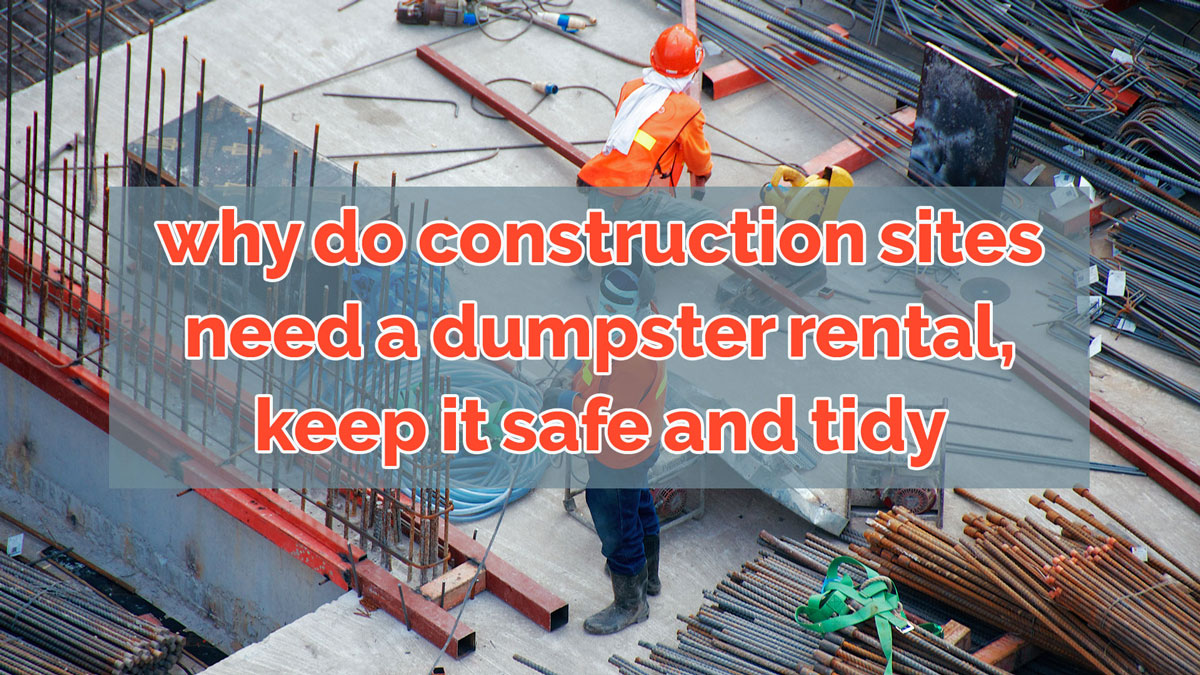
Why-Do-Construction-Sites-Need-a-Dumpster-Rental--Keep-it-Safe-and-Tidy

Why Do Construction Sites Need a Dumpster Rental – Keep it Safe and Tidy


Can I keep costs down by managing my own construction waste?
As an alternative to renting a dumpster, some construction contractors may choose to self-manage waste. This rarely proves to be fruitful, especially in terms of cost. Problems inevitably come about. Disposal and landfill costs may prove to be higher than expected, oftentimes construction sites accumulate more waste than what a project manager may initially predict, transportation arrangements can fall through, and you don’t have the support of a waste management expert there to help coordinate and lead you through these very common issues. Saving on cost may be the motivation however rather quickly, you may find costs exceed estimates.
How does a dumpster rental make a construction project easier?
A dumpster rental establishes a process by which you can collect and dispose of waste. One doesn’t have to organize waste management themselves or arrange for disposal on their own dime. When you select a dumpster rental company to partner with on your construction site, management of your waste gets so much easier. With a rental, they drop it off, pick it up, and everything’s taken care of. As a construction contractor, you get the opportunity to put your concentration towards the project – not on the waste.
Can too much waste interrupt construction?
In extreme cases, without a place to put your construction waste, it will get in the way of proceeding with a project. There’s no excuse to have a mess on your work site. A contractor wouldn’t leave their tools strewn about and so, why would one tolerate the same with waste – hopefully, they wouldn’t. Too much waste – which is any waste that isn’t controlled – will stall workflow and make movement around a site very difficult.
Why are construction site waste management plans so chaotic?
Construction contractors are tasked with building up, not cleaning what’s around them. It’s satisfying watching a project come together but it’s inconvenient not knowing what to do with waste that inevitably gets produced. When a site gets dirty, you need a place to put your garbage. A dumpster organizes some of the chaos, keeping all trash in the same place. A company servicing a construction site with dumpster rentals will come and pick up waste, minimizing the effort you need to put forward to keep a site organized.
Is not having a dumpster on a construction site a safety concern for employees?
One of the biggest reasons to arrange a dumpster rental for a construction site is to minimize hazards and safety risks to employees. A site that isn’t with a waste disposal plan is more likely to encounter accidents. Contractors, employees, and stakeholders should be able to move smoothly around a construction site. Hallways, roadways, and rooms should be clear. Handle obstructions with ease. Eliminate the mountains of waste we create in construction almost instantly. Clear out waste, move it, and keep it in a disposal bin ready to be picked up.
Is it eco-friendly having a dumpster rental on a construction site?
An eco-friendly, environmentally sustainable dumpster rental protects waste and trash from getting into the environment. If you’re worried about wind carrying waste, non-contractors removing waste, or contamination of the environment around them, an eco-friendly move to make is a mini bin or dumpster rental. This won’t be the case on all projects but on some, your created waste can be very environmentally damaging. Proper management of it can save yourself a bad environmental record and potential fines.
Will a dumpster rental increase my productivity on a construction?
We underestimate the difference a clean work site makes to construction efficiency. With a dumpster rental, you can collect waste and keep on schedule. All you have to do is move any waste to the bin. There, it’s collected and – as the saying goes – is out of sight, out of mind. Be it residential, commercial, or industrial work sites, they’re all working on limited time. Comparing projects where there’s no defined waste collection plan to projects where there is, you see the significant impact a dumpster can make.
What kind of dumpster do I need for my construction site?
To rent the right dumpster for your construction, estimate how much waste you will need to manage and the frequency of pick-ups. After you have your estimates, one can choose the correct sized dumpster size for your needs. You may choose to have only one or multiple dumpsters. For most projects, only a single dumpster will be necessary.
Should I get a larger sized dumpster or a smaller sized dumpster for construction?
We always say, if you have to ask yourself the question then you probably need a larger size. Dumpster rentals come with limits on weight and height. Exceed those and costs creep up. Primarily for safety reasons, you don’t want to overfill your dumpster. If you suspect capacity guidelines are going to be exceeded, you will have to make the call on either ordering up to a larger size or going with a second dumpster. Your dumpster rental service may be able to make suggestions on other cost-effective options as well.
Are there limits on what I can put into a dumpster for construction?
Like any sort of waste management system, there’s a guide on what can and cannot be inside. Disposal bins can include any number of landfill-friendly construction and renovation materials however shouldn’t include hazardous materials like paints, automotive chemicals, batteries, pesticides, asbestos, or similar items. If you suspect there are hazardous materials included in whatever waste you are handling, it’s integral to connect with your dumpster rental service. Including hazardous materials or chemicals in along with recyclable materials will cross-contaminate everything in the dumpster and render it useless, in addition to potentially resulting in a clean-up which increase costs.
Construction sites using dumpster rentals are keeping the site, their people, and their immediate surroundings safe. If you haven’t already, book your dumpster rental today with Core Mini Bins.

Wednesday, 15 January 2020

How Can I Do My Own Renovation DIY-Style Without Creating Waste – see here!

At first glance, a construction project or renovation may look tough to complete without the creation of waste. There are plenty of ways to minimize waste, control and manage it, and implement recycling initiatives that ensure any reusable material is sent to the right place.
How-Can-I-Do-My-Own-Renovation-DIY-Style-Without-Creating-Waste--see-here

How Can I Do My Own Renovation DIY-Style Without Creating Waste – see here!


What’s the best way to reduce renovation waste?
If you are concerned about the amount of waste your renovation will produce, turn your waste into recycling and reusables. Connect with local charity organizations that can take more completed, salvageable materials. Set yourself up with a waste disposal company who is committed to doing the right thing with what they collect. Thankfully, in and around the GTA, there’s no shortage of recycling facilities.
Do I need to call a junk removal company for a renovation?
If you’re doing a sizeable renovation and have some furniture or similarly sized items to throw away, a junk removal company is an excellent last resort. If you can’t donate or transport it yourself, a junk removal service will come, pick it up, and handle the disposal. Though it’s not required, if you have furniture to move out, this is one of the fastest ways to do so.
Should I do my own demolition?
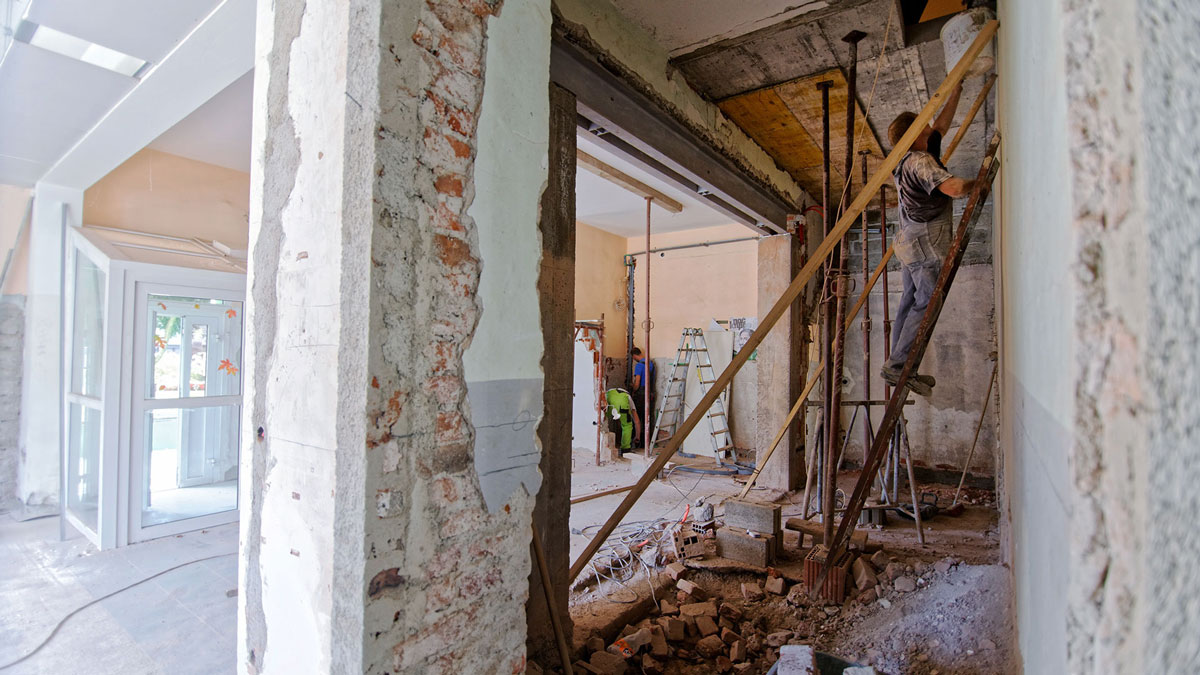
If you’re an experienced contractor in home improvement projects, you may choose to do a demolition on your own. Though you can, demolitions are notoriously tricky. They can involve removing or affecting structure elements, such as load-bearing walls, which could equate to property damage if you don’t know what you’re doing. If what you plan to remove from a household is not structural, you can still damage it to the point where it becomes unsalvageable.
Why should I hire a demolition contractor?
Should you choose to go the route of hiring a demolition contractor in Toronto, they have the equipment and knowledge to safely remove elements, donating or recycling the waste created. Hiring a demolition expert to come in and help you dismantle the components you need removed, it’s a great investment if you just want to get to the fun stuff of building.
How much waste does a renovation create?
Whether you’re doing the renovating yourself or you’re using a contractor, a renovation’s going to create waste. It’s inevitable, even with all the strategies and effort made to reduce waste. Creating waste isn’t such a bad thing though in this case. A lot of it can be donated to organizations such as Habitat for Humanity, recycled for parts or elements such as metals and wood, and/or can be saved for repurposing in other homes or in other ways.
Should I rent a dumpster for my renovation?
The easiest way to manage home renovation waste is to do so by renting a dumpster. A suitably sized bin gives you a place to put your waste and it makes it easy to dispose of. A dumpster provider will drop off and pick-up more or less on your schedule. There are limits on weight and height in a dumpster but those are easily navigated around with the right pick-up schedule. Another reason why a dumpster rental for a renovation just makes sense is because every DIY renovation risks safety when they don’t have a place to gather the waste created. Make it simple!
What’s the safest way to do construction work on my own?
Prioritizing safety when you’re working on your own, there are several pieces of equipment to ensure are being worn by you or anyone on site.
 If you’re remodeling and renovating yourself, you need to have excellent grip. Durable, quality gloves that allow you to grip, lift, push, pull, and tear away materials are key.
 Next on the list are your eyes and vision. You need to be able to see at all times. Eye protection’s necessary if you’re cutting into wood, to protect from sawdust. If you’re removing building materials, you should also be wearing protecting wear on the eyes. Particulate coming from these materials can dry out, irritate, and/or injure the eyes.
 Lastly, another basic piece of safety is ensuring your breathing and respiratory system remains protected. When you’re painting, sanding, tearing out drywall, or doing anything with chemical fumes, wear a dust mask. A high quality, reusable masks protects your breathing and allows you to continue work without the risk of getting dust in the lungs.
How is indoor air quality impacted in a renovation?
We kick up a lot of air pollutants in a renovation which can find their way into our respiratory systems, throats, airways, and lungs. It’s not just the construction materials which can affect air quality. If you have droppings in attics or crawl spaces, these can cause issues. Other possible sources of indoor air pollution in a renovation include lead-based paints, black mold toxins, particulate given off insulation when it’s disturbed, and any discovery of asbestos.
How can a dumpster rental or waste disposal service help with air quality?
When you have a dumpster set up for your renovation, it keeps any possible contaminants restricted to a single place. Any junk removal or materials removed are kept in this location. Unfortunately, not all contaminants – such as hazardous materials – can be casually thrown into the dumpster. That said, having an area designated for waste is a smart action for any DIY renovation. You’re cutting down on air pollution, safety hazards, and tripping risks as well!
What if I don’t rent a dumpster or rent waste disposal bins for my renovation?
You certainly can get by without renting a dumpster for your renovation however the reality is more time, effort, and sometimes money will have to be committed to controlling waste. You essentially will have to gather the waste yourself, transport it, and also pay any related disposal fees. If you don’t have a truck to gather the waste or are concerned about how high the processing charges could be, a simple solution is to connect with a renovation waste service in Toronto.
If you’re doing a DIY-style renovation, connect with Core Mini Bins. We offer junk removal, dumpster rentals, mini bin rentals, in addition to excavation services, demolition services, and grading. If you need assistance on your job site, let us set you up with a waste management strategy that maximizes efficiencies while minimizing your renovation waste.

Monday, 13 January 2020

How to Cut Out and Reduce Plastic Waste in 2020 for Homes and Businesses

Do you want to reduce plastic consumption in your household or place of business – the opportunities to recycle plastic and buy alternatives are readily available. In 2020, for some businesses and homes, they could potentially be seeing their very first plastic-free year. Here’s some different approaches to reducing plastic waste others have taken.
How-to-Cut-Out-and-Reduce-Plastic-Waste-in-2020-for-Homes-and-Businesses.jpg

How to Cut Out and Reduce Plastic Waste in 2020 for Homes and Businesses


Can I actually not buy plastic this year?
In all likelihood, you’re going to need to buy some new plastics at some point. Everyone uses plastics, some daily. It’s a part of living in the twenty-first century. Even the most dedicated recyclers may still encounter a decision where plastic is the answer. That said, don’t feel bad. Alternatives exist in most cases and it’s very possible you may be able to avoid buying plastics most of the time.
Why do they use plastic in my coffee cup?
When you buy a cup of coffee, you’re receiving a disposable coffee cup with a plastic lining inside. If you’re a big fan of Tim’s or Starbucks, and even a lot of independent coffee shops, disposable cups are packed with plastic. A natural alternative is to bring your own reusable to purchase coffee with. A lot of coffee shops will accept reusable non-disposable coffee mugs, filling them without hassle.
Why is it important to avoid single-use grocery store plastic bags?
Single-use plastic bags in grocery stores and retail clog recycling machines and are largely unrecyclable. This is why there’s been so much effort to ban this harmful, chemical plastic. Alternatively, you don’t need plastic bags when you go grocery shopping if you bring a cloth-derived bag. You can purchase reusable bags from local grocery stores and retail outlets, or create your own from materials at home.
Can I use glass instead of plastic to store foods – yes you can!
A lot of where plastic comes in handy is in food storage. When we have leftovers, something to freeze, or when we have to store flour, rice, nuts, and similar foods, we go for standard Tupperware-style plastics. Make a change in 2020 by switching to glass or ceramic containers. Numerous options exist out there, in glass and ceramic. As an added bonus, you can even container certain foods like rice at the grocery store – avoiding the plastic it normally takes to transport them home.
How do I avoid plastic packaging?
It’s true. At grocery stores and in retail, there’s a lot of plastic packaging. If you ask, you’ll find something surprising though. A lot of stores will let you bring your own containers to fill up on essentials like produce, meats, and baking supplies. If you ask ahead of time, a lot of stores – independents and corporate chains – will work with you to try to limit your plastic consumption. Although walking the aisles of certain food categories you will see plastics on the shelf, when it comes to meats and produce and fresher products, it’s very possible you can avoid plastics entirely by using your own containers for transport and packing.
Should I stop buying plastic bottles?
There’s a lot of eco-friendly alternatives to buying new Cokes or new bottled water. One example’s Soda Stream which gives anyone the chance to carbonate water at home while adding select syrups. You also don’t need constant replenishment of bottled water, as long as you’re using a filter at home and a reusable water bottle. Save buying 2L bottles of sodas for special occasions. All these efforts can greatly cut down on plastic use in households and businesses alike.
How can I create my own non-plastics at home?
Some things you can’t avoid – like yogurt – which would normally come in plastic. Fortunately, foods like this can be made at home. Yogurt, ice cream, cereal, granola bars, and others are easily recreated at home. You can also come up with a lot of homemade DIY cleaners that circumvent you having to buy chemical-based brands from the store. An added bonus to reducing plastic waste by making foods and cleaners DIY is that the foods are often more nutritious, and the cleaners are less toxic to the environment.
What if I don’t want to give up plastics?
The #1 rule of how to reduce plastic waste is to make sure you’re still comfortable. There are alternatives and choices but making the switch all at once can be very tough. Take it slow, experiment with alternatives to find what works for you, and keep comfortable. Some plastic purchasing you may see as absolutely necessary and that’s ok! This is about reducing consumption, not eliminating plastic altogether. Even if you chop plastic waste down by 40 percent or more, that’s still a big accomplishment. So do remember to go slow and give some time to the process of moving to an increasingly plastic-free lifestyle.
Can you stop eating what comes in plastic packaging?
Here’s the hard part. If you want to go plastic-free in 2020 and reduce waste, you may be pressured to give up certain foods. Chips, snacks, chocolate bars, frozen berries, and frozen veggies all come in plastic packaging. There are sometimes alternatives you can buy in bulk, utilizing your own containers to do the carrying. If you can’t go without, ask yourself what exceptions you’ll make to your no-plastic rule. Like we said earlier, you still want to be comfortable.
What can I do with the plastics you already have?
Don’t throw them out! If you have old plastic bottles or packaging around the house, there are several ways to repurpose them. When you have to buy new plastics, ensure you reuse or repurpose them again. Plastics – for all the flack they get – are very reusable if you’re ready to make a commitment to doing so. Plastic bags and containers you already have can still be purposed going forward. It’s just a case of not buying new ones. The more plastic we buy, the more that’s produced. The weakening of the plastics industry in favor of more recyclable packaging and products is going to happen inevitably. A plastics-free household or business is simply going to aid this process occur faster.
Core Mini Bins is a powerful waste disposal service in Toronto. Having helped households and businesses handle their waste and recycling for over a decade, don’t hesitate to give us a call when you need waste picked up.

Thursday, 9 January 2020

Do We Need Landfills in Ontario – Why They Will Always Be a Necessity

As the current waste culture is very much supporters of a recycling-first waste management approach, it’s not often landfills are spoken about in a positive manner. As stakeholders in the industry ourselves, we will be the first to tell you that landfills are and are likely to always be a necessity.
Do-We-Need-Landfills-in-Ontario--Why-They-Will-Always-Be-a-Necessity.jpg

Do We Need Landfills in Ontario – Why They Will Always Be a Necessity


What is a landfill?
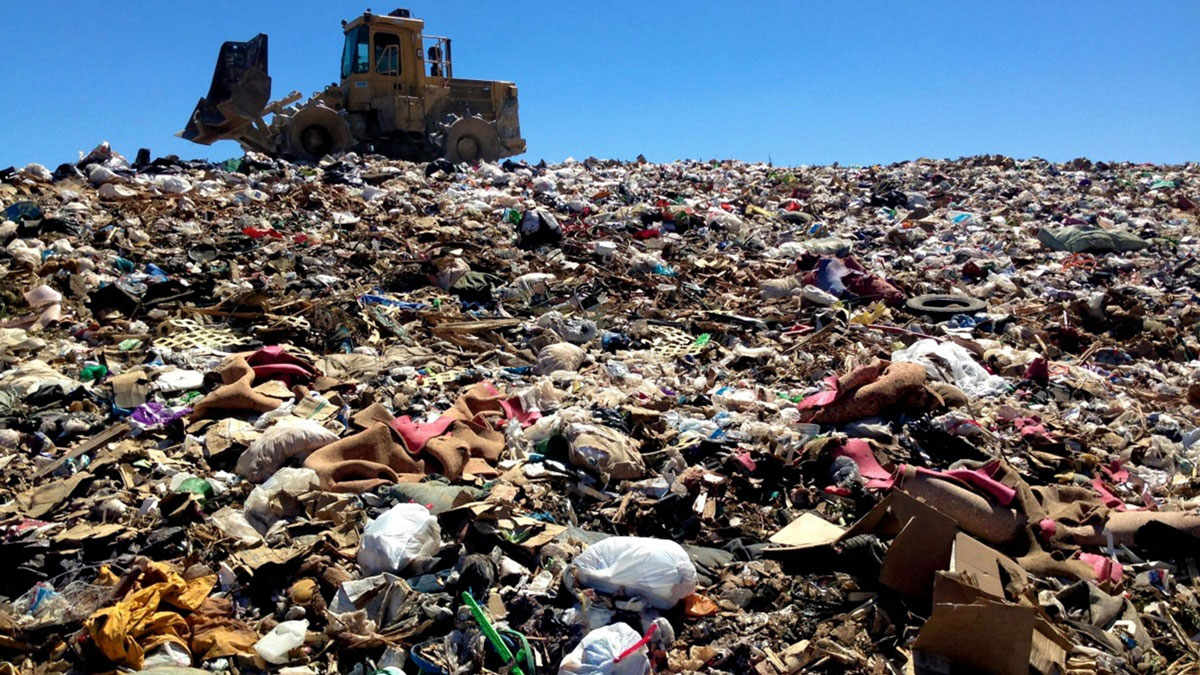
Landfills are where we put waste we cannot process and which cannot be recycled. Virtually anyone can deposit waste at a landfill. It’s not the cleanest of places but reality is that without them, we would have major troubles on our hands. Some waste just isn’t recyclable. For these items or materials, they need some place where they can be stored safely and efficiently.
What do landfills provide?
Landfills regulate waste, allowing us to allocate it in a structured environment. We dig out established areas and designate them as a ‘waste management region’. In a landfill, we can monitor our waste and ensure that it’s being properly processed. If landfills were to not exist, managing waste wouldn’t be possible. As worse as it is to see waste in our water streams and in protected areas, amounts would be increased without landfills. To ignore the importance of landfills is highly irresponsible and only encourages a disorganized system.
What happens to the waste we put in a landfill?
Waste that is given to a landfill adheres to the standards of said facility. Landfills aren’t built to biodegrade and break down trash – they’re storage facilities where waste gets buried. Containments contain little oxygen and almost no moisture. This prevents trash from breaking down rapidly. When you provide a landfill with waste, it gets buried and monitored for any dangerous or toxic side effects of this manner of processing.
Can you imagine a world without landfills?
There are worlds without landfills and we know them. Third world countries do not always have adequate processes for managing their waste. There are several of them who do not have efficient landfill space or who do not use landfills in the traditional sense. The result is waste everywhere. They make for very unkempt, toxic, and dangerous regions, with airborne gases, infected materials entering waterways, and more. We don’t want a Canada without landfills.
Is there a difference between a landfill and a dump?
Yes, there’s a huge gaping difference between landfills and dumps. Landfills are carefully created, monitored, and heavily regulated. Comparatively, dumps aren’t. A dump is an open hole. Anything can be tossed into a dump. Animals swarm in, oftentimes dangerous materials are present in a dump, and there are no environmental protections or regulations guiding dump management.
What are the criticisms of landfills?
There is a lot of negative discussion around landfills despite the fact that landfills themselves are not the issue. Ones that are poorly managed are. Landfills require skilled personnel and management that know how to process, store, and deal with materials. There are still environmental regulations that need to be met at a landfill as well as legal and ethical requirements to fulfill.
What are the different parts of a landfill?
A landfill has many components to ensuring it can function as intended, in securing and monitoring the waste it contains.
 There is a bottom liner constructed from highly durable, puncture-resistant HDPE usually between 30 and 100 mils thick. This is to prevent buried waste from coming in contact with soils and groundwater underneath.
 Cells are built to store waste, ranging in size from a few acres to as large as 20 acres or more. Inside larger cells are commonly smaller ones. Waste is always compacted and shredded prior to being stored in these cells.
 Every landfill cell is designed with a sloping low point connected to a series of perforated pipes, with gravel packs and/or sand placed at the bottom of a cell. This is done to trap liquids which get collected and removed.
 A methane collection system is typically installed with a series of pipes used to collect this gas before it is naturally vented or burned. Landfill gas is approximately 50 percent methane which has the potential to explode or burn. Therefore it is important to ensure adequate methane gas removal processes are incorporated into Ontario landfills.
 There are additional systems in place to handle stormwater drainage, groundwater monitoring, and more.
Are we running out of landfills in Ontario?
Some in the waste management industry will say it’s a myth that we are running out of landfill space in Ontario. To an extent, they’re right. Landfills are used every day, without indication of complete filling any time soon. Despite this evidence, there is only finite space in our landfills. Creating more and more waste management areas is an option but it’s not ideal. We have so much natural beauty and environment in this province. We’ve got to protect our natural resources, and landfills are not the answer long-term to our waste management needs.
How long does a landfill last?
A landfill is not designed to fail. That said, certain specifications must be met. For example, maximum weight must be adhered to. A truck coming to a landfill usually carries in it 12-14 tons, typically coming from around 800 households. Daily, the average Ontario municipal landfill receives about 200 trucks. This means 2,800 tons of trash is being added to landfills every day. Needless to say, monitoring systems aren’t just designed to guard against environmental catastrophes but also to ensure the landfill doesn’t fail – not today and not 100 years down the line.
How can we improve landfills?
If one wants to improve landfills in Toronto or Ontario, we must improve our waste management system. Landfills are a catch-all for waste we can’t do anything else with. If we continue developing recycling processes and create more facilities specializing in material sorting, our landfills will improve accordingly. To this extent, it is not landfills that are the problem – it’s the system. Thus, when you remedy the inefficiencies within the system, you solve the landfill conundrum. It’s akin to blaming your garbage bag for the items and materials it carries.
Are you looking for eco-friendly and environmentally responsible waste disposal services in Toronto? Contact Core Mini Bins today. We can set you up with a dumpster, a mini bin rental, trucks, and waste disposal options with same day delivery included.

Friday, 3 January 2020

How Much Waste Will My Renovation Make – Why to Rent a Dumpster or Mini Bin

If you’ve ever watched an HGTV renovation program, you generally don’t see the big, big amounts of waste that get generated. Sure, they show a part of that but in all actuality, one’s renovation waste adds up quickly and can easily fill up a dumpster or two.
It’s notoriously very tough to eye how much construction waste you’re going to make. You don’t want to be without a safe place to put it all or struggling to find a method to transport it to the landfill.
If you’re excited to renovate the kitchen or bathroom, re-do the basement, or overhaul your landscaping, this generates a lot of waste. The best way to manage and control this waste is through a dumpster rental or mini bin rental.
How-Much-Waste-Will-My-Renovation-Make--Why-to-Rent-a-Dumpster-or-Mini-Bin.jpg

How Much Waste Will My Renovation Make – Why to Rent a Dumpster or Mini Bin


A general rule for renovation waste
Although the amount of waste a renovation can make varies wildly, in general, we assume 60 pounds of waste per square foot. This means that an average sized kitchen is probably going to produce about 5 tons of waste in a renovation. The unfortunate thing is a lot of people try to manage this themselves, usually resulting in high costs, a lot of time and effort, and an environmental cost as well.
Why to rent a dumpster for renovation waste
You need a place to safely keep your renovation waste until it’s ready to be transported off property. That’s where a dumpster rental or mini bin rental for a renovation is needed. These bins get dropped off on your property and then, all you have to do is fill it up. Once it’s filled, a truck comes and off it gets hauled. It’s so simple and easy to do!
On top of that, you get a professional there to answer questions and help with the costs that accompany waste disposal. The whole process is made so much simpler when all you’re responsible for as a renovator is to fill the dumpster. From there, a company like Core Mini Bins comes to carry it off, recycle what can be recycled, and ensure waste is processed in the most environmentally sustainable way.
The problem of hazardous waste
There’s a list of what can and cannot be put into a dumpster rental for a renovation. Hazardous waste absolutely cannot go into a dumpster or mini bin as it could potentially contaminate everything inside, rending it unrecyclable. If you have hazardous waste like asbestos or other materials you’re a little unsure of how to handle, check with your dumpster provider.
 What renovation materials are allowed in a dumpster rental? Things like lumber, siding, drywall, roofing materials, general household materials, insulation, any decking or fencing, cabinets, windows, doors, carpet, flooring, all types of metal, and any general renovation materials are all permitted.
 What renovation materials are not allowed in a dumpster rental? The materials not permitted in a dumpster include hazardous materials, batteries, tires, animal by-products, food waste, biohazard materials, toxic materials, no Freon or regulated chemicals, no gasoline or propane, no highly flammable chemicals, paints, aerosols, and – unless otherwise specified – no concrete, asphalt, rock, stone, sod, loam, and/or dirt.
The three Rs of waste management hold true!
Before you start on a renovation project, get a rough idea of what sort of waste you will have, what you intend to do with it, and what ‘R’ it falls under – reduce, reuse, and recycle. This will affect how you dismantle elements and how they’re stored.
 Reduce – Identify any way there is for you to reduce the waste you will generate. Some materials can be recycled or reused thankfully. In your construction materials, ensure no unnecessary waste is generated from ordering too much.
 Reuse – Materials like hardwood flooring, brick, and certain pre-built elements in a home can be reused. For these things to be reusable though, you can’t just go in there with a demolition renovation. You’ve got to dismantle piece by piece, knowing full well what’s salvageable and what’s headed to the landfill.
 Recycle – In most renovations, there is a lot that can be recycled in some way. Some materials can be sent direct to a recycling facility while other more complete pieces can be donated through Habitat for Humanity or other organizations.
Where there are landfill fees for waste dumping
If you intend to do the whole renovation waste removal and disposal yourself, know that the landfill fees can be a huge problem. Weight adds up quickly. Why there are landfill fees like this are for several reasons, including to promote one to think of other ways to process and/or hopefully recycle the materials they need to get rid of. Things like paper, cardboard, wood, insulation, glass, wire, and metals – these are all things that can be recycled! Consider the alternative to going to a landfill.
What can be donated from renovation waste?
Construction building materials are reusable and recyclable, as is much of one’s renovation waste. Things like kitchen cupboards, bricks, masonry blocks, hardwood flooring, sinks, countertops, fixtures, and other similar elements can all be donated. If you intend to do this yourself, reach out to Habitat for Humanity to see what they’re able to accept. If you are partnering with a dumpster rental company or junk removal service, ask if they’re able to assist with the donation.
There is a lot of value in construction and renovation waste!
There’s such a long list of ways that the waste taken from your renovation can help other households, manufacturers, companies, and consumers live more eco-friendly lives. Here are some of the ways in which renovation waste can be repurposed and recycled.
 Any wood products that’s in decent shape can be shredded into a mulch or used for biomass fuels.
 Any metals taken from wires or appliances are very, very valuable as a recyclable. They’re usually smelted and converted into new metal products.
 Any cardboard or paper is ground up, turned back into pulp, and then used to create recycled new paper products.
 Fibreglass insulation is sometimes reused in cement creation, although this is one of the trickier materials to recycle.
 Glass is crushed or melted down before being reused in new glass products.
If you’re doing a renovation or new construction, know that waste will be created. Contact a company who can help. Get your own dumpster rental and waste disposal supports today. Contact Core Mini Bins now.

Monday, 30 December 2019

14 Simple Tips Any Toronto Business Can Do to Go Green, Recycle More, and Waste Less

Have you ever thought, “My office could be greener. I just don’t know how.” Well, here us out. 2020’s a new year. It’s the time to make something happen. If you want to make your Toronto business more eco-friendly and green, here are 14 simple ways to help you achieve that.
14-Simple-Tips-Any-Toronto-Business-Can-Do-to-Go-Green-Recycle-More-and-Waste-Less

14 Simple Tips Any Toronto Business Can Do to Go Green, Recycle More, and Waste Less


Upgrade, fix, reuse
You want your office looking its’ absolute best. With that comes new equipment, furniture, and appliances, and removing what’s old. Unfortunately, the waste this mentality has produced is sizeable. Is it possible to simply upgrade existing equipment, fix your furniture, or find a way to repurpose or reuse it – if not, consider making a donation to a local charity. Even if you delay having to throw something out by six months, this still makes an impact.
Appoint a waste supervisor
Every office should have a waste management and recycling supervisor appointed. This is someone who is passionate about keeping your company green and eco-friendly. This person will set short-term and long-term goals, and help research future opportunities for you to continue developing recycling initiatives in the most economical way possible.
Reduce commutes
Some employees coming to your office probably have sizeable commutes to conquer just to arrive there. Is there a way to allow them to work remotely – this doesn’t have to be every day. Allowing them to work from home one or two days a week can help reduce your business’ emissions, cutting down on energy usage in the city.
Rent a dumpster
If you aren’t already set up with a program, every Toronto business that wants to go green deserves a dumpster rental that can be filled and picked up regularly. This gives you a place to put your waste, allows you to monitor it, and can motivate a switch to a more recycle-friendly culture.
Contribute to local programs
Look at local community-based programs focusing on recycling, wildlife protection, or maintaining the environment. Connecting with an organization that’s doing something good is a strategy employed by corporations who struggle to offset their carbon emissions. For a general office, it’s an approach to make a positive difference through financial contributions or promotions without having to change much in the office.
Connect with green suppliers
Are the companies, business partners, and waste disposal company you work with using eco-friendly, green practices – if not, consider making the switch to brands that are. In business, the connections we make and the relationships we carry affect a lot about our waste footprint. Looking at making a significant impact from an environmental perspective? Examine the relationships you maintain and identify opportunities for change.
Use less paper
Chances are, your office is already doing this. Instead of printing our memos, employee announcements, reports for meetings, and other communications, take the opportunity to go digital. Using email for such things, you can cut down on the print materials that have to be recycled.
Initiate a trade-in program
If you sell products requiring customers to upgrade or throw out old product semi-regularly, a Toronto corporation wanting to be eco-friendly can launch a trade-in program. An initiative like this helps keep our groundwater clean, eliminates environmental hazards, and can help you recycle the products you’re putting out there into the universe.
Donate or recycle old electronics
Printers, computers, and old electronics. Every office has them. Instead of sending them to the landfill, find an electronic waste collector who’s willing to take them or alternatively, if they’re usable, donate them. This is a great way to recycle and reuse in a Toronto office, saving you money on disposal as well as on your waste footprint.
Plant a garden
A garden is a great way to keep the local surroundings beautiful while committing to natural means of reducing emission. A small garden on your property sends a message. You can, of course, plant a larger garden, or even choose to bring in community stakeholders to help keep up with it.
Start a compost
In Toronto, we oftentimes struggle with having enough space to, well, do anything! For offices fortunate to have a little extra property to work with, starting a compost reduces food waste in the kitchen and reduces the amount of waste you have to pay to have picked up.
Plant trees
There are several organizations and programs out there encouraging financial contributions towards planting trees. If an office is looking to offset carbon emissions, this is a direct way to do so. Every tree comes with their own assigned value in terms of how much carbon they are expected to remove from our environment.
Get set up with a recycling facility
There are several reasons to connect with a recycling facility. The first is to have places to send office recycling in Toronto you generate or collect from customers. The second is, if you’re a manufacturer, to buy recycled materials. The use of quality recycled materials oftentimes cuts down on energy usage and can help a company ‘green-ify’ themselves!
Divide up waste and recycling
If you don’t already divide up your waste, set up two containers – one for waste and the other with recyclables. Thankfully, most businesses in Toronto already divide up their waste but some don’t. It also is worth including a sheet of what is or isn’t recyclable. Still, a lot of cross-contamination happens. No one wants to ruin a collection of recyclables by including a non-recyclable item with everything.
When you follow these tips, you may end up uncovering other ways for your office to go eco-friendly. There are many, many opportunities out there! Don’t forget to communicate with employees and your peers, ensuring everyone’s on board and aware of the waste disposal program you’ve launched.
If your employees know you’re passionate about recycling and going green and that you’re following your own rules, they’ll be more motivated to do the same. Be the example and get inspired! Small changes can lead to big changes in any company, no matter the industry. For waste disposal services in Toronto and the GTA, contact Core Mini Bins. We can help with same day service, dumpster rentals, mini bin rentals, and more. Everything you need to make the effort to go and stay green, you’ll find with Core Mini Bins. Don’t hesitate to reach out.

Tuesday, 24 December 2019

Where to Go for a Junk Removal Service in Winter Anywhere in Toronto or the GTA

The winter weather in Canada has just begun to arrive but with the colder temperatures and snowy conditions, waste disposal suddenly gets complicated. Let’s say you have some old furniture to move, you can’t just leave it at the road if you want someone to pick it up for reuse. Junk removal services are needed to get it elsewhere and in shelter.
Though winter does complicate things a little, speaking from the perspective of a Toronto junk removal service, it’s not so bad. Just like our customers go to work, go grocery shopping, and catch up with friends and loved ones, we work through the same weather to get stuff done. Looking to get some junk removal done this winter? There are a few things you can do to assist the junk removal process. Here’s how you can do a junk removal in winter.

Where-to-Go-for-a-Junk-Removal-Service-in-Winter-Anywhere-in-Toronto-or-the-GTA

Where to Go for a Junk Removal Service in Winter Anywhere in Toronto or the GTA


The advantage of hiring a junk removal service in winter
A junk removal service has equipment to get your waste gone quickly and efficiently. They generally also have relationships with recycling facilities, charity organizations, and similar resources ensuring your junk is going to all the right places. They save you the hassle of taking away all the waste yourself. All the heavy lifting, it’s done! A junk removal company makes it so easy.
Have a plan for what you want to throw out
Junk removal companies are hired to unclutter and clean spaces like offices and households. Unfortunately, not everyone always knows what they want to throw out or keep. Before the contractors arrive, know what you want gone. It may be overwhelming seeing the empty space or removing yourself from the potentially emotional connections to certain items. We’ve been there. That said, when you’re unclear about what’s being tossed, it slows things down.
Move everything to the doorway
Unless you live in a condo where rules might be a little different, in a household on the ground, move everything to the doorway if you can. Much like you would for movers, a junk removal company’s going to want easy access to anything they’re going to get their hands on. During winter, time is of the essence with cold and snowy conditions sometimes complicating the pick-up process. Items at the door is the best way you can help who you’ve hired.
Lay down mats, carpet, or towels
Even if your winter Toronto junk removal crew is only two people, if they’re walking in and out of your home, entranceway mats and carpet prevent them from staining your floor or creating a slipping hazard. No matter how careful someone is, there’s always going to be some moisture, road salt, and snow that get tracked in. Mats and carpet can catch that as well and prevent spreading all over the home.
Clear off the walkway
You want to give yourself a safe place to lay your items down, to avoid slipping yourself, and of course to make it as easy as possible to move things. Shovel snow away to keep the outdoor walkway clear. In junk removal, sometimes workers handle large pieces of furniture from big cabinets to extended couches. This is difficult to do even a sunny day. A clear path goes a long way in keeping things moving speedily.
Get a pet-friendly room ready
This applies if you’re having a junk removal company actually come into your home. Opening and closing the door means the opportunity for pets to escape into the cold. If you’ve got contractors coming in, ensure you have a comfy room in your home where you can put your favourite pet in. Ensure they’re equipped with everything to feel safe, secure, and snug.
Do I need a dumpster rental instead?
Some projects you may prefer to have a dumpster rental instead of junk removal. For things like small constructions or renovations, a dumpster can be advantageous as you create waste throughout the course of the project. If you’re not moving big pieces like couches, appliances, and other furniture, smaller items and general construction waste can be contained in a dumpster, mini bin rental, or similar arrangement with your waste disposal company.
How much is a junk removal during winter?
The prices for junk removal in winter are no different than they would be during summer. For contractors, it may be more challenging but the service is generally the same and the cost is similar.
Is there anything a junk removal service won’t take?
As long as it can be lifted and it isn’t hazardous waste, a junk removal service can take almost anything. Just some of the junk that we’ve picked up in winter includes electronics, TVs, appliances, carpeting, renovation waste, furniture, hot tubs, mattresses and box springs, refrigerators, tires, household trash, yard waste, glass, exercise equipment pool tables, printers, computers, pianos, and more.
What happens to my junk after it gets picked up?
The answer to “what happens to your waste after a junk removal company picks it up” depends. Most will try to recycle or reuse as much of it as possible. A lot of junk that gets removed are furniture that can be donated or contain materials with a value to them. Some recycling environments will dismantle junk, almost like a scrap yard, and see if there’s anything to sell.
Sorting through your old stuff, there are also a handful of local charities ready and willing to take things like furniture and/or electronics. If what you’re throwing out still works or are lightly used, they can be repurposed and given to families in need or sold for profit on behalf of these organizations. Any donations that can be made will be made, from your junk, at least when an environmentally-friendly team’s hired.
Junk removal anywhere in Toronto any time this winter. If you need Core Mini Bins, we are there. We also offer dumpster rentals and more. If you need waste removed and disposed of, let us provide a little assistance. We’ll ensure anything that can be reused and/or recycled gets to the right place, and anything that needs to be sent to the landfill gets there safe and sound. High quality, reliable, safe, eco-friendly junk removal that’s always affordable and easily arranged according to your schedule. Call Core Mini Bins today.

Friday, 20 December 2019

Debunking the Top Common Recycling Myths in Toronto

Toronto is Canada’s largest city and with that size comes challenges, one of them being waste management. Though our recycling system has come so far in the past decade, the GTA still carries a lot of myths and misconceptions about what’s recyclable and what isn’t in Toronto.
Debunking the most common of these, we hope to shine a light on how recycling’s moving forward in the GTA as an industry and as a waste management policy shared between stakeholders from all backgrounds.
Debunking-the-Top-Common-Recycling-Myths-in-Toronto

Debunking the Top Common Recycling Myths in Toronto


Myth – Everything’s recyclable
You’d think by what Torontonians put into their recycling bins, anything and everything is recyclable. Unfortunately this isn’t quite true yet. What ends up happening is called cross-contamination. When recycling bins are contaminated with food, food by-products, or non-recyclables, this affects what can be recycled.
Myth – Biodegradable is recyclable
Just because something is biodegradable does not mean it is necessarily recyclable or an eco-friendly product. Biodegradable means that a product degrades in a natural environment. In degradation, a product can emit very toxic fumes and technically, still be considered ‘biodegradable’. Also, some biodegradables require specific conditions for them to degrade. If conditions aren’t met, a product can sit in our lakes or in our streets and take a very long time before eventually degrading.
Myth – A lot of recycling still goes to our landfills
This is, in part, true. Recyclables that are contaminated or without value get sent to landfills or diverted towards waste-to-energy facilities. The numbers however of how much recycling is diverted has been exaggerated.
Myth – Recycling in Toronto doesn’t include electronics
There are recycling depots in Toronto accepting electronics, hazardous waste materials, and more. If you have what you believe to be a recyclable item, go online and see if there’s a recycling depot nearby. If you cannot find a recycling facility near you to accept materials excluded from your bin, you may find luck with a local charity organization if it’s something reusable.
Myth – Recyclables are always recyclable
Unfortunately, there are numerous ways to render your recyclables as close to worthless as is possible. The most common is contaminating it with grease, such as a cardboard pizza box covered in grease from the pizza. The cardboard is recyclable but once it’s covered in grease stains, it can’t be recycled anymore and has to go in the waste bin. This sort of stuff happens frequently in Canadian recycling facilities. In fact, sometimes, entire bins have to be given as waste because of a food-related contamination.
Myth – Recycling’s not worth the trouble
When we recycle, we make such a positive difference to our environment. We reduce greenhouse gas emissions when we recycle, save energy in the production of new materials, conserve water and reduce water use, protect our natural resources in Ontario from development, and that’s not all. Economically, we conserve available landfill space, and recycling continues to create 1,000s of jobs for Canadians in and around Toronto as well as all over Canada.
Myth – Canada’s recycling industry as a whole is in a state of crisis
When China decided it was no longer going to be accepting waste from foreign countries, Canada’s recycling industry was set spinning – albeit briefly. In cities like Toronto, recycling continues to be collected and diverted into reuse. In cities alone, thousands of bales of paper, plastics, and metals are created, and the recycling industry hasn’t stalled.
Myth – Torontonians don’t want to recycle
Toronto has taken a very hands-off approach to recycling, somewhat shocking consider the number of new residents the City welcomes every year. New and existing Canadians in Toronto want to recycle but they may not know what’s accepted. This requires the city to distribute education and to make it a point to communicate to citizens what’s recyclable. As the industry continues to advance, we expect to see the list of recyclables increase significantly. An education-based approach should already be in effect but unfortunately this isn’t the case.
Myth – Canada’s recycling is being refused from countries like China
China has refused to accept only certain recyclable plastics and paper, alongside other waste products. Canada continues to send high amounts of recyclables and scraps to China. Approximately 25 percent of all Canada’s exported paper continues to go to China.
Myth – It doesn’t make enough of a difference for households to recycle
You may look at the landscape of waste disposal, recycling, eco-friendliness, ‘being green’, greenhouse gas emissions, and climate change, and think, “I’m just one person. I’m just one household. I’m not making that big of a difference. So what’s the point?” Well, the truth is recycling’s a good thing no matter what. If every household on your street did their part in recycling, that’s a lot. If more households in Toronto recycled, that’s a lot of power. Do our corporations and larger companies need to do their part – absolutely! BUT, everyday households and Canadians have more influence than you may think in how recycling works.
Myth – Single use products are ok if they’re biodegradable
The elimination of single-use non-biodegradable products is something we’re going to have to confront in the years ahead. That said, what about single-use that are biodegradable? Well, though they’re an improvement, why some environmentalists may disagree with their use is because of the fact that they can’t be recycled. In efforts to get to a waste-free society, the elimination of single-use products including those that are biodegradable is a subject up for debate.
Myth – All plastics are unrecyclable
There are nearly a dozen different kinds of plastic – some recyclable and others which aren’t. Unfortunately right now Canada-wide, only 11 percent of our plastics are recycled. The rest end up in our rivers and waterways, in landfills, or mixed in with other waste products. Toronto and Canada aren’t doing enough to tap into our plastic recycling potential.
Myth – Recycling is complicated
Recycling in Toronto, as a part of the GTA’s waste management strategy, is not simple but it’s solutions-oriented. Needless to say, it’s far from complicated. The industry is still developing, with new technologies and facilities arriving every year. There’s a lot of promise ahead, jobs to be created, and economic prosperity.
As advocates for a more eco-friendly, sustainable Toronto, we support high-efficiency waste management and recycling in the GTA. For waste disposal, junk removal services, dumpster rentals, and more, contact Core Mini Bins today.

Tuesday, 17 December 2019

Tips on How to Have an Eco-Friendly Christmas with Recycling Strategies and More!

On the subject of the holidays, there’s generally two themes every family deals with – gift buying and consumption. Money’s going out and ‘stuff’ is coming in. Unfortunately, this creates a lot of waste in cardboard boxes, ornaments, wrapping paper and gift bags, excess food, packaging, and more.
Companies in waste management and disposal are put on high alert come the holidays, as we know full-well that there’s going to be a big uptick in waste the week following Christmas. Households and businesses can do more to minimize their waste without affecting the quality or atmosphere of their Christmas. We’ve chosen to give a quick account of some of the easier, simpler steps to take at caring for the environment and having an eco-friendly Christmas this year.
Tips-on-How-to-Have-an-Eco-Friendly-Christmas-with-Recycling-Strategies-and-More

Tips on How to Have an Eco-Friendly Christmas with Recycling Strategies and More!


Shop locally
eCommerce has quite the pull and while buying gifts via online shopping can be tempting, shopping locally is much more eco-friendly. That’s because shopping online requires a lot more packaging and transportation, meaning more greenhouse gases and more waste in general. Seeking out local stores and gifts from places like vintage shops or thrift stores is where to go.
What’s the environmental impact of your Christmas gifts?
Consider the environment when purchasing Christmas and holiday gifts for family and friends. Buying products made from sustainable materials, choosing reusable products rather than single-use, and even doing something like picking up an e-reader instead of a collection of books all have a positive environmental impact.
Go without wrapping paper
For a lot of people, wrapping paper is a necessary part of Christmas but unfortunately, it’s not amazingly eco-friendly. Wrapping paper is essentially just fancy waste paper. Reduce your footprint by either not using wrapping paper at all or repurposing newspapers, flyers, or other papers in the place of purpose-bought materials.
Still want to buy wrapping paper? Make sure it’s recyclable!
What makes wrapping paper unrecyclable is any glitter, dye, plastic, or foil included. If you absolutely must buy wrapping paper, you will want to ensure it’s a recyclable design. They do make recyclable wrapping paper for Christmas, giving you the same ability to wrap like a superstar but without the ramifications it usually takes on the environment.
Be cautious about how much food you buy
Maybe you’ve never had this problem at your house but roughly 7 in 10 Canadians admit to buying more food than they need during the holiday season. We get it. The holidays are a time for merriness, indulgence, and to be festive! While we don’t want to take away from that, ask yourself when you’re buying a box of cookies or something similar whether it’s needed or just accompaniment.
Make a Christmas donation!
Especially if you have kids, making a donation to a local thrift store or charity is an encouraging eco-friendly holiday act. In this vein, maybe you want to look around your home for items or products you received last year that you haven’t used or other goods you no longer want. Removing these and giving them to a charity or family in need may make someone else’s Christmas a lot more special.
Do not use single-use plates and cutlery
You may not want to be doing any dishes on Christmas but heck, set them aside for December 26 instead. Single-use plastics, cutlery, plates, and other plastics are entirely unnecessary and environmentally problematic. Choose to use the real thing rather than going for plastic disposables.
Do crafts instead of buying new ornaments
At Christmastime we have the ability to do some pretty heavy buying on ornaments and decorations. Although a lot of them are reusable, a lot are also non-biodegradable and made from plastics. Instead of going to these commercially-branded non-recyclables, create some decorations or ornaments yourself. Choose to go about a craft-friendly Christmas! You’d be surprised by how much money you can save doing crafts at home and the positive impact this choice will have on the environment.
Don’t buy an artificial tree
Artificial Christmas trees have been promoted as an eco-friendly alternative to purchasing an authentic tree from a farm however the truth is that the more environmentally friendly option between the two is real over artificial.
Artificial Christmas trees are made from plastics and oil-based products, usually manufactured overseas and having to be transported to cities like Toronto, they can’t be composted, and they can’t be recycled. The David Suzuki Foundation has even come out stating Canadians should avoid purchasing trees made of these PVC plastics which are non-environmentally friendly.
Compare that to natural, real Christmas trees which grow on these farms for up to 15 years, producing oxygen and which are recyclable. Although this is perhaps a controversial sentiment to some, purchasing a real Christmas tree from a local Ontario farmer gets you something recyclable and is supporting local industry.
Recycle your real Christmas tree
After Christmas is done, don’t be letting your Christmas tree go to the landfill. Instead, seek out local organizations or drop-offs collecting them. There are generally many places offering to recycle your Christmas tree. They end up cut down and reused in a number of paper or wood products.
Choose solar-powered lights or LEDs
Did you know some parts of the Earth are up to 50 percent visibly brighter from NASA satellites between end of November and New Year’s Day – it’s true! This demonstrates a lot of energy in process of being used. Instead of wasting this energy on traditional, non-environmentally sustainable lights, switch to either solar-powered lights or energy-efficient LEDs. This is an easy choice to make, with the majority of lights being sold in stores these days already being energy-efficient.
Will you be having an eco-friendly Christmas?
An eco-friendly Christmas is challenging but fully possible! Look around your home this holiday season and ask yourself what opportunities exist to create a beautifully sound, environmentally sustainable Christmas. Many are often surprised by how much waste their households create at this time of year and how much of it can be switched out for more eco-friendly Christmas alternatives. Although some of these eco-friendly tips might be unexpected, they can make a real difference in the world and to our environment.
Core Mini Bins is passionate about an environmentally friendly Christmas and holiday season. Opportunities exist for improving current waste creation, management, and disposal practices around the busiest time of year. Let’s help protect our environment, with an eco-friendly holiday.